Innovating with precision while elevating patient outcomes.
Robotic surgery, or robot-assisted surgery, allows doctors to perform complex procedures with greater precision, flexibility and control than is possible with conventional techniques. Robotic surgery is usually associated with minimally invasive surgery—procedures performed through tiny incisions. However, robotic surgery continues to be used in certain traditional open surgeries.
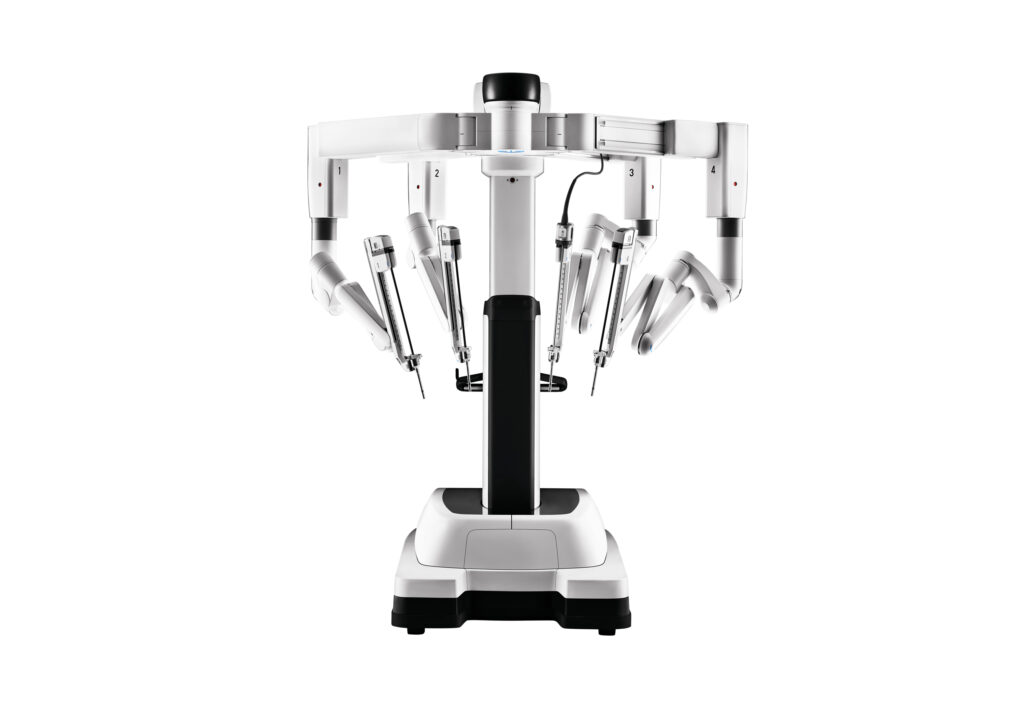
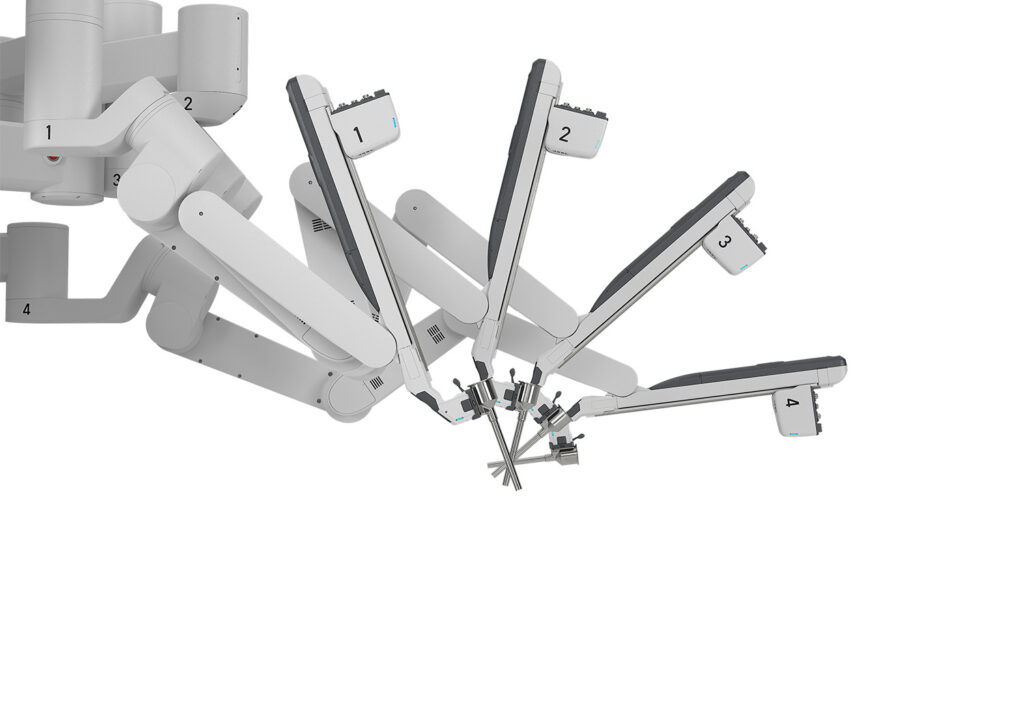
The most widely used clinical robotic surgical system includes both camera and mechanical arms with surgical instruments attached. The surgeon, always in full control, operates the arms from a computer console near the operating table, while seeing high definition, magnified, 3D views. From this unique vantage point, the surgeon can also guide others assisting in the procedure.
Our team is committed to providing you a safe, comfortable, and supportive experience. From check-in to recovery, you’ll be cared for by highly skilled specialists trained to get you back home the same day or soon after your inpatient procedure.
Choose the care pathway that's right for you
OUTPATIENT · Same day
NCH Robotic Surgery Institute
A dedicated outpatient facility offering advanced robotic procedures with same-day discharge. Access to the da Vinci 5 and Single Port systems with the comfort of an ambulatory center and full hospital safety net.
For patients requiring hospital-based care, our inpatient robotic surgery program offers the full spectrum of soft tissue robotic procedures with the resources of a comprehensive health system.
Our program features the latest robotic technologies, including the da Vinci 5 (DV5) system and the Single Port (SP) platform.
The most widely used clinical robotic surgical system includes a camera arm and mechanical arms with surgical instruments attached to them. The surgeon controls the arms while seated at a computer console near the operating table. The console gives the surgeon a high-definition, magnified, 3D view of the surgical site. The surgeon leads other team members who assist during the operation.
A small needle is placed in the abdomen and the abdominal cavity is insufflated with CO2 to allow the surgical team to gain access to the abdomen.
Small incisions are then made to place tubes into your abdomen.
After visualization is gained the da Vinci robot is attached to the small tubes.
After the robot is docked/attached, your surgeon and surgical team are ready to get to work.
Beside the surgical table your surgeon works at a console, this is the control center that allows the surgeon to control the da Vinci robot.
Together your surgeon and surgical team will coordinate to complete your surgery.
Once the Robotic portion of your surgery is done, your surgeon will remove the small tubes. *These small incision sites will then be covered with surgical glue